
The phrase artificial intelligence (AI) is already widely used in news headlines, commercial descriptions, and even everyday speech. However, a lot of people still find AI to be a scary idea, clouded by future imagery and technical language. With just three easy actions, you will be able to harness the power of artificial intelligence and demystify it.

Step 1: Recognising AI's Fundamentals
Fundamentally, artificial intelligence (AI) is the capacity of robots to replicate human cognitive processes such as learning, reasoning, and making choices. Rather than robots taking over the world (yet!). This is about machines that have been educated on enormous volumes of data to carry out particular activities with ever-increasing precision and efficiency.
There are various important categories of AI to recognise:
Machine Learning (ML): ML systems do not require explicit programming; instead, they learn from data. Based on the facts they are exposed to, they spot trends and formulate hypotheses.
Deep Learning: A branch of Machine Learning, deep learning processes massive volumes of data and generates intricate predictions by using intricate algorithms modeled after neural networks, the building blocks of the human brain.
Artificial Intelligence (AI): NLP makes it possible for computers to comprehend and react to human language. For applications such as voice assistants, chatbots, and machine translation, this is crucial.
Step 2: Recognising AI in Typical Situations
AI is already subtly present in many facets of your everyday life. Here are few instances:
Smartphones: Your smartphone is packed with AI features, ranging from personalized news feeds created by AI algorithms to face recognition unlocking.
Social Media Platforms: Artificial intelligence algorithms drive social media suggestions, giving priority to content that is likely to pique your interest after previous exchanges.
Streaming Services: Artificial intelligence (AI) customizes your streaming experience by making recommendations for films and series based on your tastes.
Email spam filters: AI systems examine your email correspondence patterns to detect unsolicited messages, preventing clutter in your inbox.
Ride-sharing apps: AI anticipates arrival times and optimizes routes for ride-sharing services, guaranteeing a seamless journey.
Step 3: Using AI to Your Advantage
After gaining an outline of AI and its applications in ordinary lifestyles, let's examine some approaches you can actively use it on your gain:
Increase Your Output: Use AI-powered mission control applications to automate repetitive chores, set reminders, and prioritize your workload.
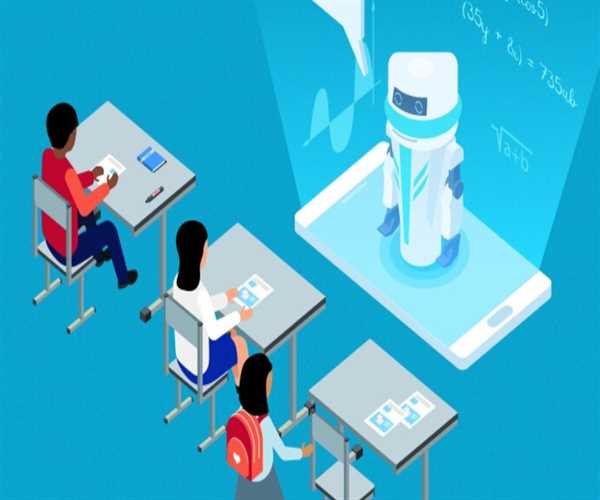
Boost Your Learning: Interactive AI instructors may also offer tailor-made feedback, pinpoint areas for development, and personalize gaining knowledge of studies.
Simplify Your Purchasing: AI-driven chatbots can provide personalized reductions, propose products based on your interests, and respond to questions about merchandise.
Boost Your Wellbeing: Fitness trackers with AI capabilities might also degree your activities, study your sleep habits, and propose unique health targets.
Boost Your Creativity: AI-powered equipment can assist with responsibilities like writing track, editing pix, and growing content. They can also provide an innovative spark and inspire new ideas.
Conclusion:
Instead of changing human intelligence, artificial intelligence (AI) is a potent best friend that may beautify our capacities. Through comprehending its basics, acknowledging its life in everyday life, and using its skills, you can open up new opportunities for performance, inventiveness, and well known welfare. Thus, keep in mind that you are already running with AI the following time you talk together with your telephone assistant or get tailor-made recommendations from a streaming service!


Leave Comment